Get Gas Line Capping in Chino, CA
Gas line capping services for property owners in Chino, CA and nearby areas address gas leaks, outdated lines, or safety upgrades through professional sealing and removal projects.
Gas line capping services are essential for property owners in Chino, CA who need to safely and securely deactivate unused or outdated gas lines. Properly capped gas lines help prevent leaks, reduce the risk of accidental gas escape, and ensure compliance with safety standards. This work provides peace of mind by minimizing potential hazards while maintaining the integrity of the property’s infrastructure. Additionally, a professional gas line cap can enhance the overall functionality of a property, especially during renovations or when preparing a site for new installations.
Choosing to have gas lines properly capped offers several benefits, including increased safety, durability, and reduced ongoing maintenance. Well-executed capping solutions contribute to the longevity of the gas system, preventing corrosion or deterioration over time. Property owners often seek these services to improve curb appeal by maintaining a neat and clean appearance around the property, free from exposed or damaged piping. Engaging experienced local service providers ensures the work is performed reliably and to high standards, supporting a safe and functional property environment.
- Gas line capping services are essential when decommissioning or modifying existing gas lines in residential or commercial properties.
- They are needed during renovations or upgrades that require temporary or permanent sealing of gas supply lines.
- Property owners in Chino, CA, and nearby areas may require gas line capping when performing new construction or remodeling projects.
- Gas line capping is also necessary for emergency repairs or to address leaks that require immediate shutoff.
- Professional service providers can assist with safely and effectively capping gas lines to meet project requirements.
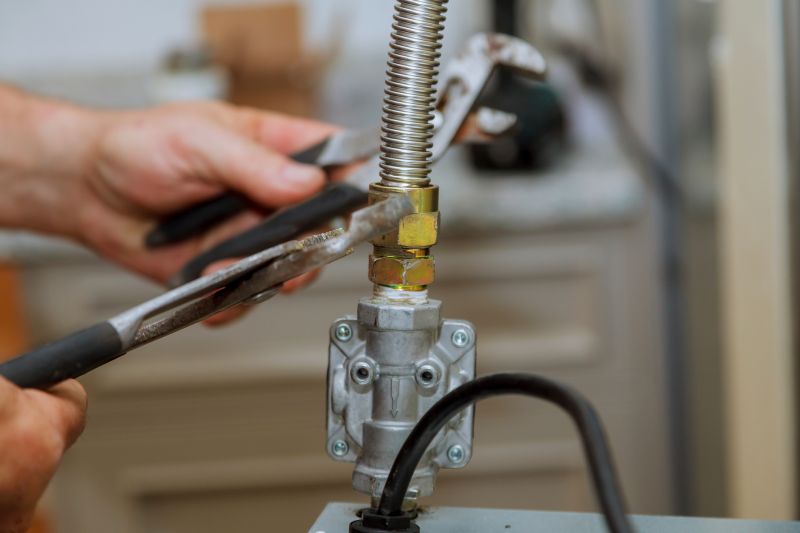
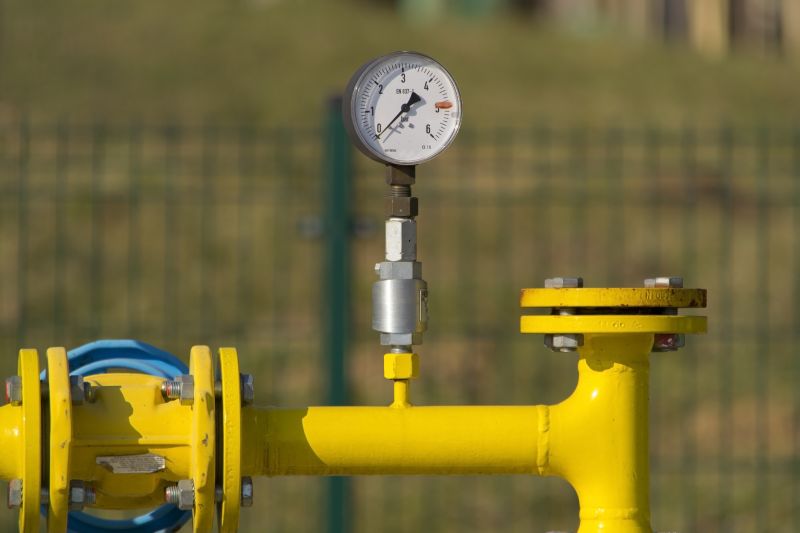
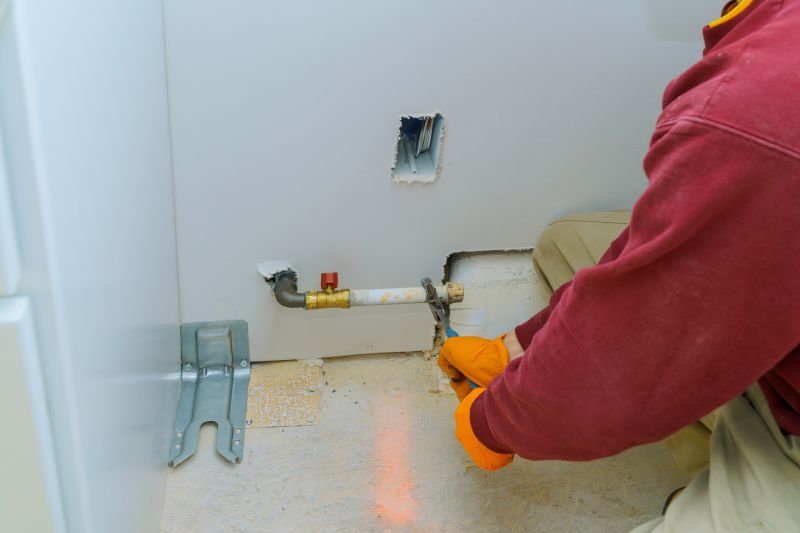
Gas line capping services involve the safe and secure sealing of existing natural gas or propane lines that are no longer in use or need to be temporarily or permanently disconnected. This process typically includes inspecting the gas line, properly sealing the open ends, and ensuring that the capped line does not pose any leaks or safety hazards. Professionals may use specialized fittings and materials to guarantee a tight seal, preventing gas from escaping and reducing the risk of potential hazards related to gas leaks or fires. Proper capping is essential for maintaining safety standards, especially when properties undergo renovations, demolitions, or conversions that require disconnecting gas services.
This service addresses several common problems encountered by property owners. Unsafely abandoned or improperly sealed gas lines can lead to dangerous leaks, which pose health and safety risks to residents and occupants. Gas line capping also helps prevent accidental gas intrusion into structures, which could result in explosions or fires. Additionally, capping is often necessary during property upgrades or repairs when gas lines are no longer needed, or when the property is being prepared for sale or redevelopment. Properly capped lines ensure compliance with safety regulations and help avoid costly future repairs or legal issues related to unsealed or improperly disconnected gas infrastructure.
Properties that typically utilize gas line capping services include residential homes, commercial buildings, and industrial facilities. In residential settings, homeowners may require gas line capping when upgrading appliances, converting to electric systems, or demolishing parts of the property. Commercial properties such as restaurants, retail stores, or warehouses might need gas line capping during renovations or closures. Industrial sites may also require this service when decommissioning certain sections of their facilities or repurposing equipment that previously relied on gas. Regardless of property type, a professional approach ensures the work is performed safely and in accordance with local codes and standards.
Engaging with local service providers for gas line capping ensures that the work is handled by experienced professionals familiar with regional safety requirements and building codes. These specialists can assess the condition of existing lines, determine the appropriate sealing methods, and ensure that the capped lines are secure and compliant. Property owners and managers can benefit from expert advice and quality workmanship, reducing the risk of future issues related to gas leaks or improper disconnections. Contacting local pros can help property owners address their gas line needs efficiently, safely, and in accordance with applicable regulations.
The overview below groups typical Gas Line Capping projects into broad ranges so you can see how smaller, mid-sized, and larger jobs often compare in Chino, CA.
In many markets, a large share of routine jobs stays in the lower and middle ranges, while only a smaller percentage of projects moves into the highest bands when the work is more complex or site conditions are harder than average.
Cost Range for Gas Line Capping - The typical cost for capping a gas line varies depending on location and complexity, generally falling between $150 and $400. For example, in Chino, CA, prices often hover around $200 to $300 for standard services.
Factors Affecting Pricing - Factors such as line accessibility, whether the line is active or inactive, and the need for additional permits can influence costs. More complex jobs may range up to $500 or more in some cases.
Average Service Charges - Most local service providers charge between $175 and $350 for gas line capping, with the final price depending on the specific requirements of the project. Basic capping services tend to be on the lower end of this range.
Additional Costs to Consider - Additional expenses might include permit fees or repairs to surrounding infrastructure, which can add $50 to $200 to the overall cost. Contact local pros for precise estimates tailored to individual needs.
Actual totals will depend on details like access to the work area, the scope of the project, and the materials selected, so use these as general starting points rather than exact figures.
Gas Line Capping services involve safely sealing off unused or damaged gas lines to prevent leaks and ensure safety. Local pros can assist with proper capping techniques for residential and commercial properties.
Gas Line Replacement projects often include capping existing lines as part of the process to ensure a secure and leak-free connection during upgrades or repairs. Professionals can handle the removal and proper capping of old gas lines.
Gas Line Repair services may require capping sections of the line to isolate issues before repairs are completed. Skilled contractors can effectively cap gas lines to facilitate safe repairs and maintenance.
Gas Line Inspection involves assessing the integrity of existing lines, which may include identifying sections that need to be capped or replaced. Local specialists can evaluate and perform necessary capping procedures.
Emergency Gas Line Services address urgent issues such as leaks or damage, often requiring immediate capping to contain the problem until repairs can be made. Experienced providers respond promptly to ensure safety.
Gas Line Decommissioning projects include capping gas lines to safely shut down and remove obsolete or unused piping. Contractors ensure proper sealing to prevent future leaks or hazards.
When selecting a professional for gas line capping services, it is important to consider their experience in handling similar projects. Homeowners should look for local contractors who have a proven track record of safely and effectively capping gas lines in residential settings. Reputable providers often showcase their experience through references or project portfolios, giving homeowners confidence in their ability to meet specific needs. Ensuring that the contractor has extensive hands-on experience can help prevent potential issues and ensure the work complies with safety standards.
Clear communication and well-defined expectations are vital when working with a local service provider. Homeowners should seek professionals who are transparent about their process, scope of work, and any potential considerations related to gas line capping. Reputable contractors typically provide written estimates or agreements that outline the details of the service, helping to establish mutual understanding and accountability. Good communication also involves responsiveness to questions and clarity about what the service entails, fostering a smoother experience from start to finish.
Reputation and references play a key role in choosing a reliable local pro for gas line capping. Homeowners are encouraged to seek out providers with positive feedback from previous clients, which can often be verified through references or online reviews. Connecting with local pros who have established a good reputation in the community can provide added assurance of quality work. Since the information below introduces options rather than performing the work itself, it is important for homeowners to independently verify a contractor’s reputation and ensure they align with their project expectations before proceeding.
Property owners in Chino, CA use Gas Line Capping services for practical projects around their homes and businesses. The sections below highlight everyday jobs and straightforward project options.
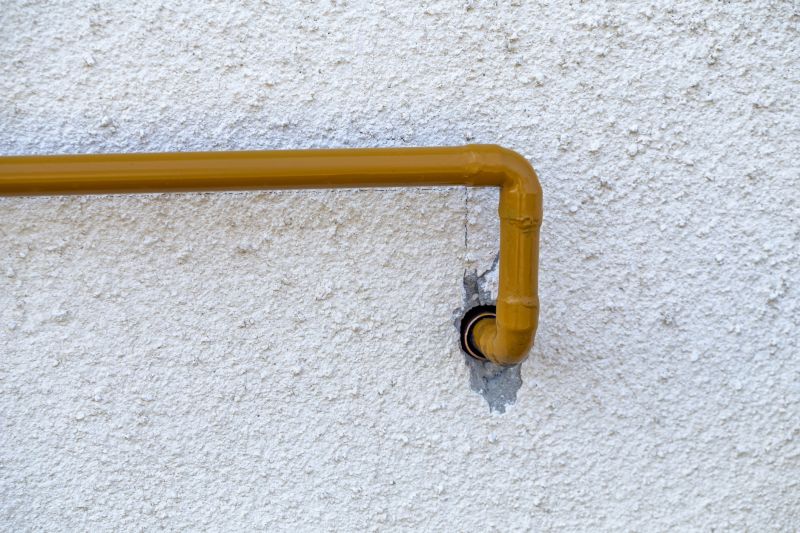
Gas line capping services are often needed when property owners in Chino, CA, are planning renovations or remodeling projects that involve disconnecting existing gas appliances or fixtures. These services help ensure that unused gas lines are safely sealed to prevent leaks or potential hazards. Additionally, if a property is being prepared for sale or has experienced damage that necessitates removing gas connections, professional capping can provide a secure and compliant solution.
Homeowners may also seek gas line capping when upgrading or replacing appliances, such as installing new stoves or outdoor grills, which require temporarily or permanently disconnecting existing gas lines. In some cases, property owners want to eliminate unused or outdated gas lines to improve safety and reduce maintenance concerns. Local service providers can assist in safely capping these lines to meet safety standards and local regulations.
What is gas line capping? Gas line capping involves sealing off a gas supply line to prevent gas flow, typically when a line is no longer in use or needs to be temporarily shut off.
Why might a gas line need to be capped? A gas line may require capping during renovations, appliance removal, or if a line is damaged and needs to be safely decommissioned.
How do professionals cap a gas line? Trained service providers typically use specialized fittings and ensure proper sealing to safely close off the gas line, following local safety standards.
Is gas line capping safe? When performed by experienced professionals, gas line capping is a safe process that prevents leaks and potential hazards.
How can I find local gas line capping services? Contact local plumbing or gas line specialists to connect with qualified service providers in Chino, CA, and nearby areas.
Gas Line Capping Services - Professionals can safely cap gas lines to prevent leaks and ensure compliance with local codes.
Emergency Gas Line Capping - Local service providers offer urgent capping solutions for gas line issues or renovations.
Gas Line Abandonment - Experts can properly deactivate and cap unused gas lines to maintain safety and prevent future hazards.
Gas Line Inspection and Capping - Technicians assess gas lines and perform capping to secure your property and meet safety standards.
Considering Gas Line Capping for a property in Chino, CA? The sections above highlight common project types, practical options, and details that often shape the scope of work.
When you are ready, use the quote form to share a few details about your project. Local pros can review the basics and respond with options that match what you have in mind.