Gas Line Installation in San Antonio, TX
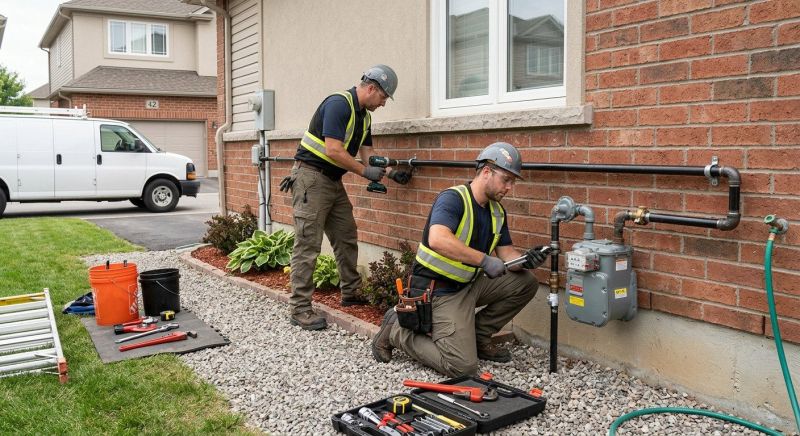
Gas line installation services involve setting up the piping system that delivers natural gas or propane to various appliances within a property. This service covers a range of projects, including installing new gas lines for appliances like stoves, water heaters, fireplaces, or outdoor grills, as well as rerouting or upgrading existing lines to accommodate renovations or new equipment. Property owners typically want to understand the scope of work involved, safety considerations, and any permits or inspections required before proceeding with a gas line installation.
Before requesting gas line installation, homeowners should consider the location of existing gas connections, the type of appliances that will be connected, and any local regulations or codes that may apply. It is also important to evaluate the accessibility of the installation area and discuss potential disruptions during the process. Proper planning and clear communication about the project details can help ensure a smooth and safe installation tailored to the property’s needs.
Many property owners in San Antonio, TX look into Gas Line Installation for repairs, replacements, upgrades, and appearance-related improvements.
Gas Line Installation Options
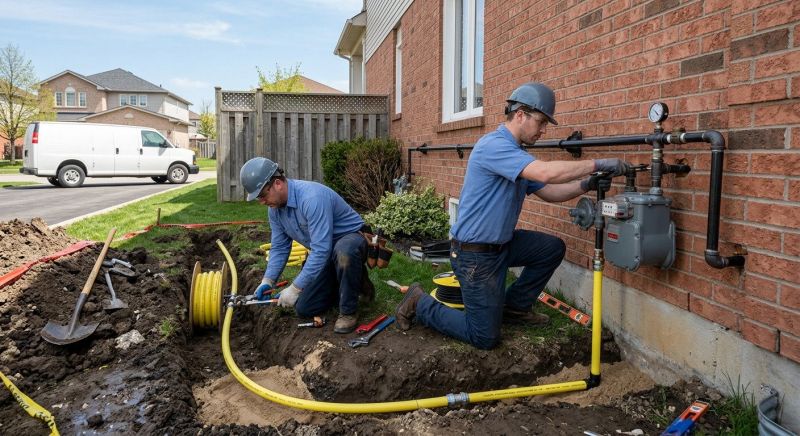
Various gas line configurations are available for residential and commercial properties in san antonio, tx.
Safety And Compliance
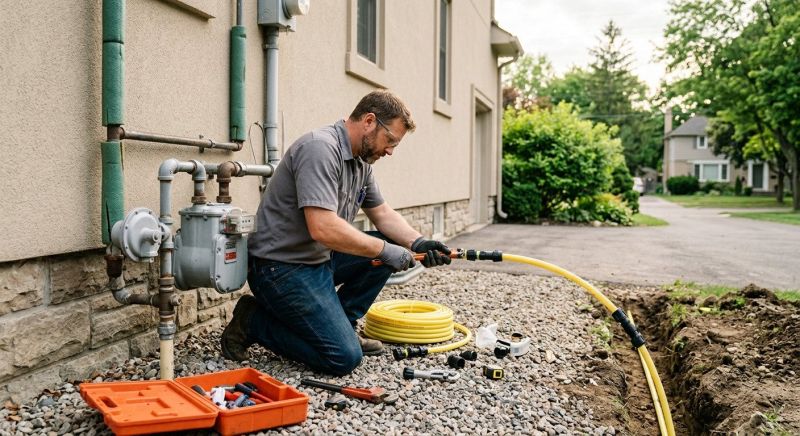
Proper installation ensures safety, code compliance, and reliable operation for gas-powered appliances.
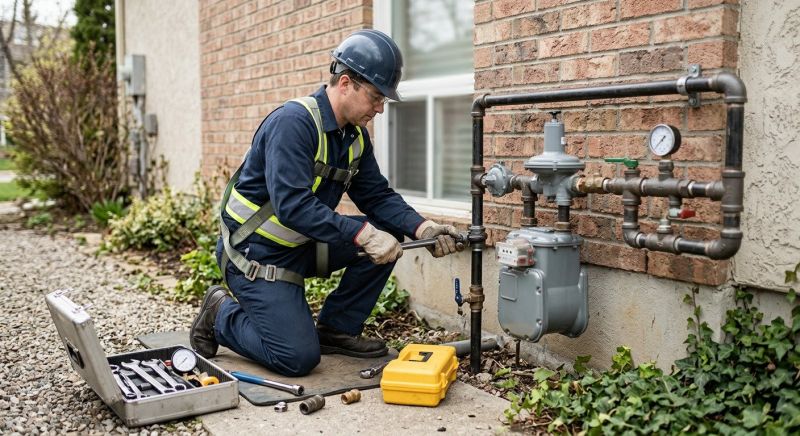
Common Projects
Services include new gas line setups, upgrades, repairs, and extensions for homes and businesses.
Gas Line Installation in San Antonio, TX

Gas line installation services involve setting up the piping system that delivers natural gas or propane to various appliances within a property. This service covers a range of projects, including installing new gas lines for appliances like stoves, water heaters, fireplaces, or outdoor grills, as well as rerouting or upgrading existing lines to accommodate renovations or new equipment. Property owners typically want to understand the scope of work involved, safety considerations, and any permits or inspections required before proceeding with a gas line installation.
Before requesting gas line installation, homeowners should consider the location of existing gas connections, the type of appliances that will be connected, and any local regulations or codes that may apply. It is also important to evaluate the accessibility of the installation area and discuss potential disruptions during the process. Proper planning and clear communication about the project details can help ensure a smooth and safe installation tailored to the property’s needs.
Many property owners in San Antonio, TX look into Gas Line Installation for repairs, replacements, upgrades, and appearance-related improvements.
Common Gas Line Installation Jobs
Gas line installation involves safely running new gas lines to appliances and fixtures.
Gas line repair addresses leaks or damage to existing gas piping systems.
Gas appliance hookup connects new stoves, heaters, or dryers to the gas supply.
Gas line upgrades enhance safety and capacity for expanding or modernizing systems.
Gas line removal safely disconnects and removes outdated or unused gas piping.
Gas line inspection ensures the integrity and safety of existing gas piping systems.
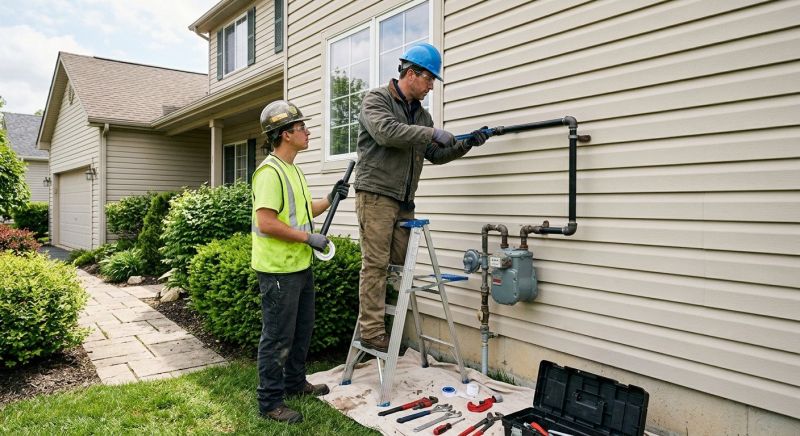
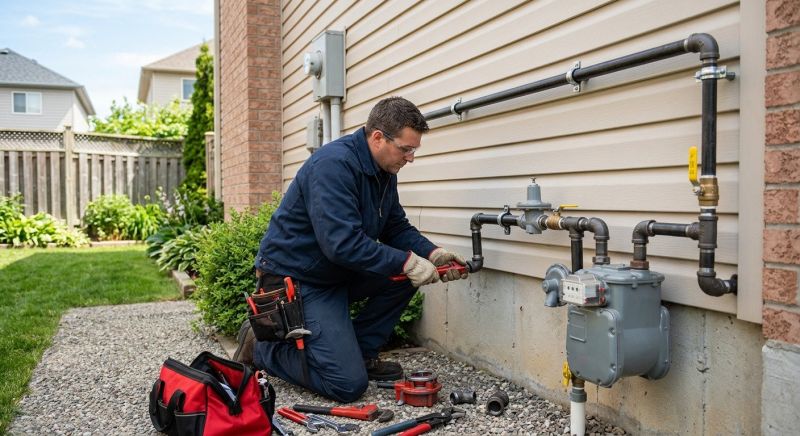
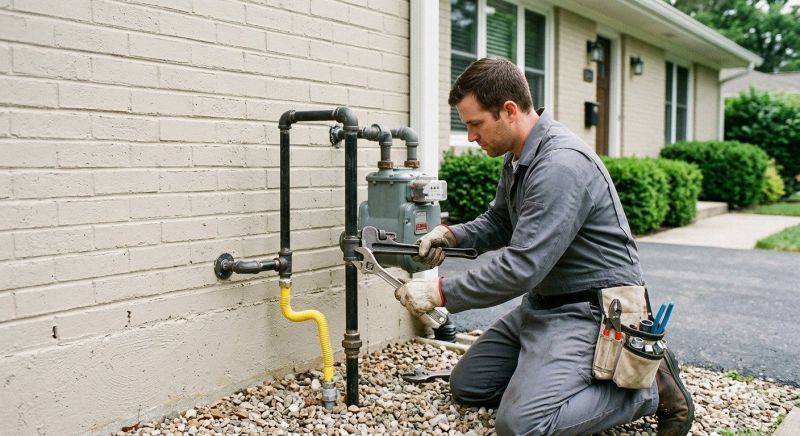
Gas Line Installation Questions
What is involved in gas line installation? The process includes planning the route, ensuring proper connections, and testing for safety and leak prevention.
Are permits required for gas line installation? Yes, permits are typically needed to ensure the installation meets safety and building codes.
Can gas lines be installed indoors and outdoors? Yes, gas lines can be installed both inside homes and outside for appliances or outdoor heating.
What appliances can be connected to a new gas line? Common appliances include stoves, water heaters, fireplaces, and outdoor grills.
Request Gas Line Installation in San Antonio, TX
Use the quote form on this page to share the basics of your project and request more information for the type of work you need.